


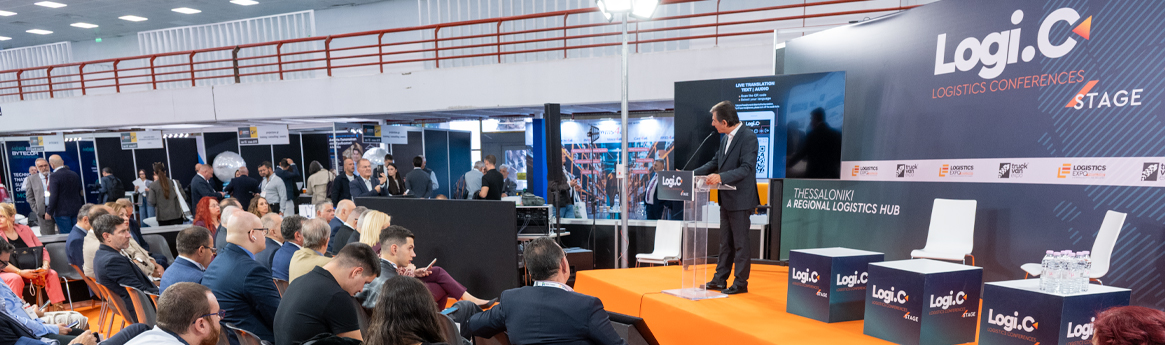
LOGI.C 2026: Thessaloniki at the epicenter of the future of Logistics and Transport
The LOGI.C Conferences concluded with great success, gathering leading executives from logistics, technology, and transport. The discussions focused on the city’s role as a regional hub, the leverage of Artificial Intelligence, sustainability, and alternative fuels, laying the foundations for new strategic synergies in the industry.
Summary Friday 16th October
A wide range of topics covering supply chain management, operational efficiency, and cross-border cooperation at the Inter-Balkan level were addressed during the LOGI.C conferences on the first day of LOGISTICS EXPO.
Grant Thornton: Resilience, Technology, and Efficiency at the Center of the Modern Supply Chain
The conferences were kicked off by Grant Thornton, with M. Chatzimanolakis presenting the primary challenges facing businesses in the supply chain today, as well as practices to enhance their resilience and operational efficiency.
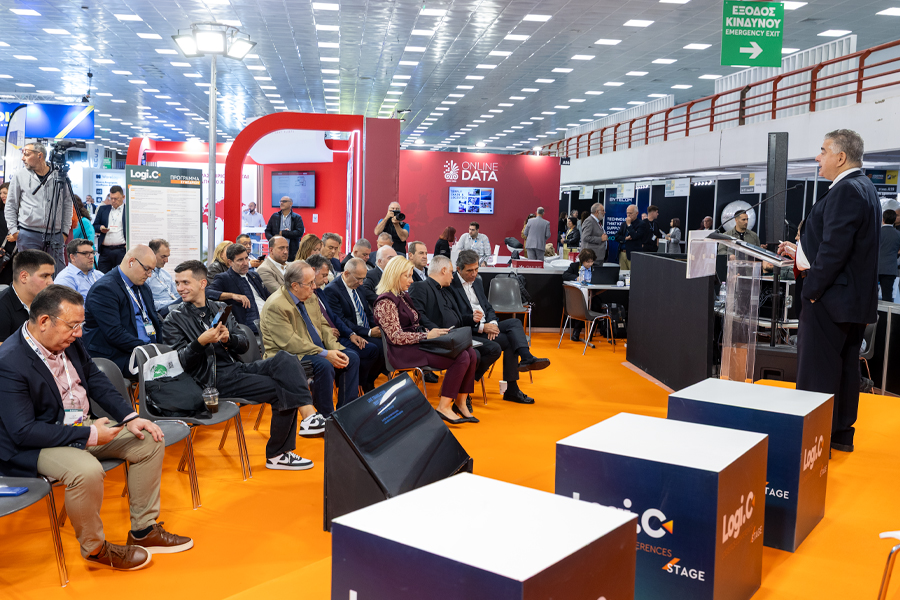
As highlighted in the presentation, successive geopolitical and economic crises, energy costs, tariffs, and disruptions to maritime trade routes create an environment of increased uncertainty. At the same time, shortages of skilled labor, demand volatility, reliance on a limited number of suppliers, and low digital maturity complicate strategic planning and day-to-day business operations.
According to the data presented, approximately 502,000 truck driver vacancies are recorded across Europe, while 34% of Greek small and medium-sized enterprises (SMEs) struggle to find employees with the appropriate skills.
In response to these challenges, Grant Thornton underscored the need for integrated sales, production, and procurement planning, enhanced visibility across inventories and deliveries, diversification of supply sources, and systematic risk management. Special emphasis was placed on optimizing distribution networks and inventory management to reduce shortages, emergency transport costs, and tied-up capital.
In the realm of digital transformation, artificial intelligence and automation can support demand forecasting, production planning, and distribution optimization. However, leveraging these technologies requires reliable data, suitable systems, and clear governance under human supervision.
Thessaloniki as a Regional Logistics Hub
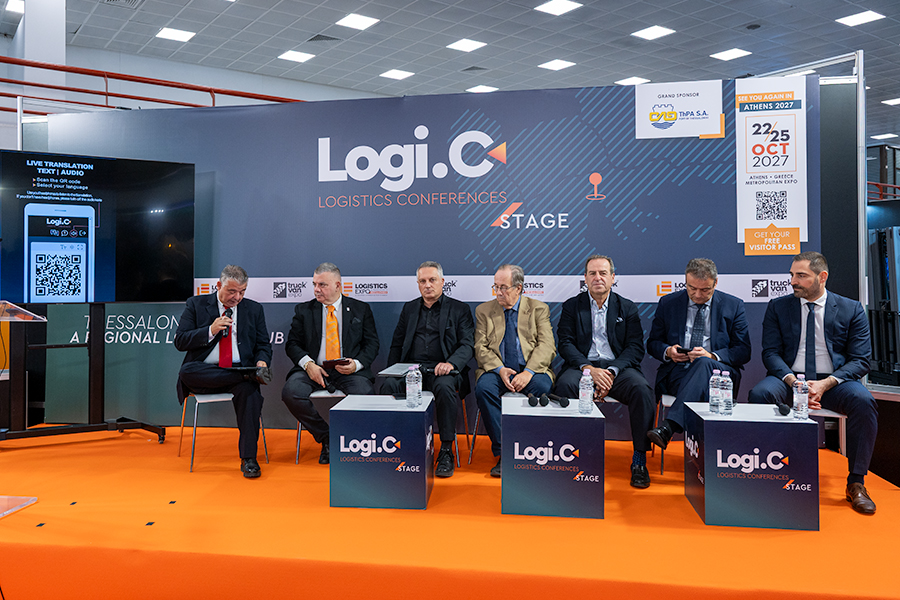
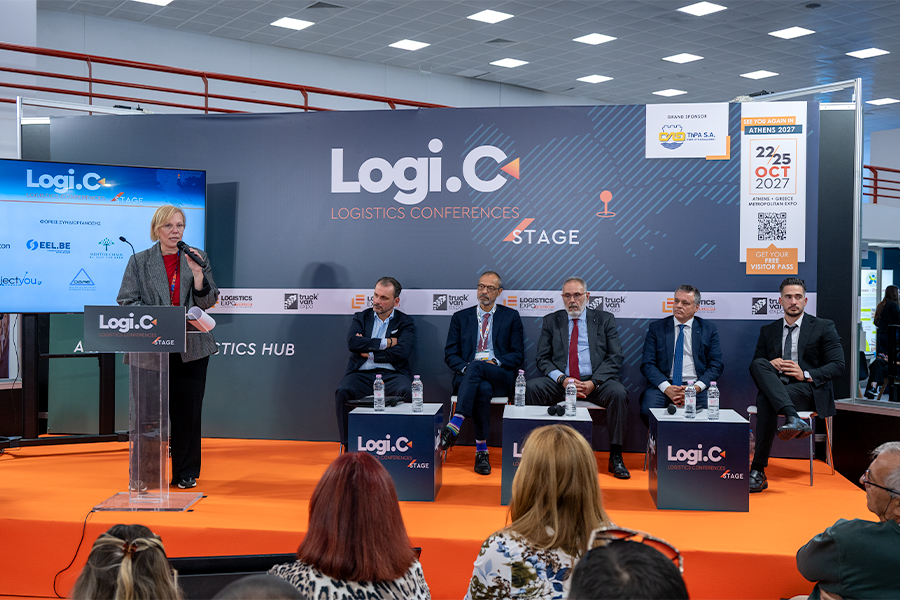
Thessaloniki’s role as a regional logistics hub, its prospects in the transport sector, and strategic choices for its further development were at the center of the discussion titled “Thessaloniki as a Regional Logistics Hub: Challenges, Potential, and Strategic Choices”, organized by the Hellenic Logistics Association of Northern Greece (EEL.BE) as part of the LOGI.C conference.
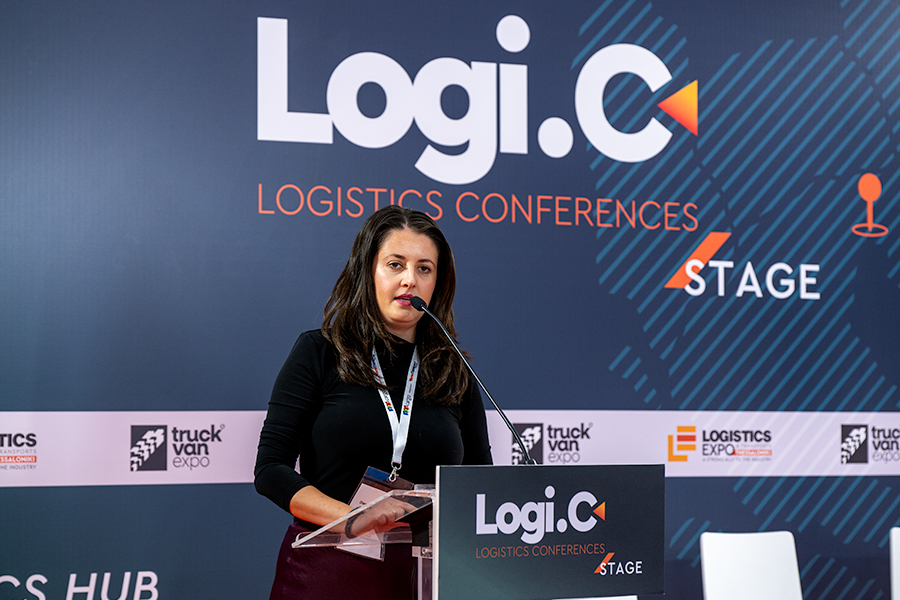
Opening the event, Dr. Dimitrios Tsitsamis, President of EEL.BE, noted that the discussion regarding the future of logistics is no longer theoretical, but directly impacts competitiveness, the economy, and Greece’s position within the European supply chain. Thessaloniki possesses significant advantages, but—as he emphasized—geography alone is not enough; a corridor gains real value when the port, railways, road transport, logistics centers, customs, and IT systems operate as a unified, reliable, and competitive network. He stressed that this is the true objective for Thessaloniki and Northern Greece: shorter transport times, more competitive costs, higher reliability, better connections, and greater visibility across the entire supply chain.
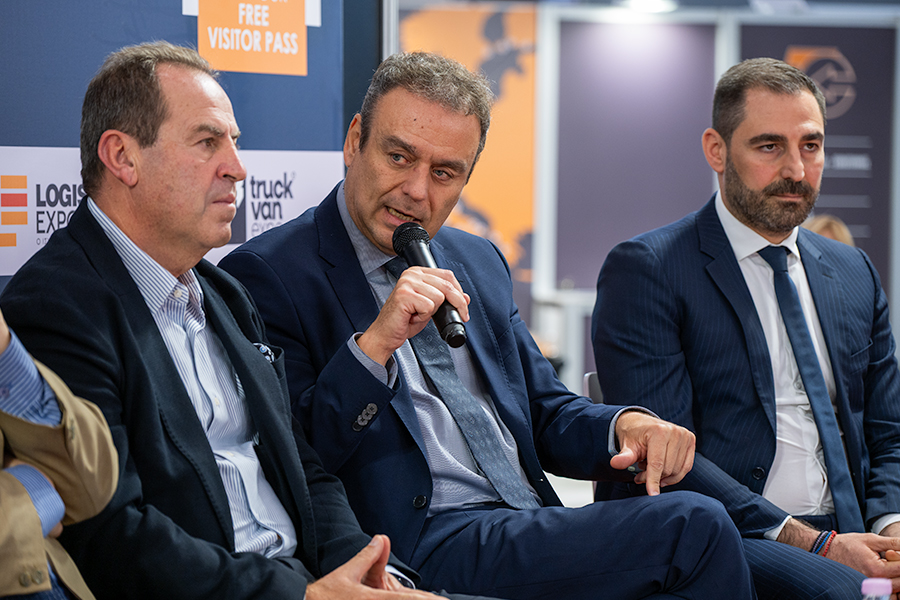
Greetings were then delivered by Konstantinos Gioulekas, Deputy Minister of Interior (Department of Macedonia – Thrace), and Kostas Gioutikas, who in his address outlined the government’s strategy to establish Northern Greece and Thessaloniki as a key pillar for regional development, commercial interconnectivity, and business and academic collaboration. He made particular reference to the successful outreach tour across Balkan capitals—with the participation of public bodies and enterprises—aimed at creating new opportunities for the universities and research centers of Macedonia and Thrace, as well as enabling Greek businesses to expand their economic footprint.
Following this, a panel discussion on “Prospects of Thessaloniki as a Transport Hub” featured Marios Papadopoulos, President of the Crafts Chamber of Thessaloniki (VETH); Kyriakos Merelis; Emmanouil Vlachogiannis, Honorary President of the Thessaloniki Chamber of Commerce and Industry (EBETh); Dr. Panagiotis Ketikidis, President of the Alexander Innovation Zone SA; Panagiotis Chasapis, Executive Vice President of the Greek Exporters Association (SEVE); and Nikolaos Fokas, Commercial Director of ThPA SA (Port Authority of Thessaloniki). The discussion was moderated by Dr. Dimitrios Tsitsamis, President of EEL.BE.
The panel highlighted Thessaloniki’s importance as a regional logistics and transport hub, alongside the crucial role that infrastructure, innovation, entrepreneurship, and institutional collaboration play in strengthening its position on the freight transport map.
International Participation
The panels also had an international scope, featuring a keynote speech by Diana Cristescu, representative of the Romanian organization USER. She presented how the supply chain operates as a integrated network in Romania, while offering proposals for interconnection solutions with Greece and other Balkan countries.
Markov Rumen then took the stage, representing Bulgaria, to discuss established rail transport partnerships between Balkan nations. He highlighted existing border bottlenecks and stressed that further cooperation is essential for cross-border initiatives of this scale to succeed.
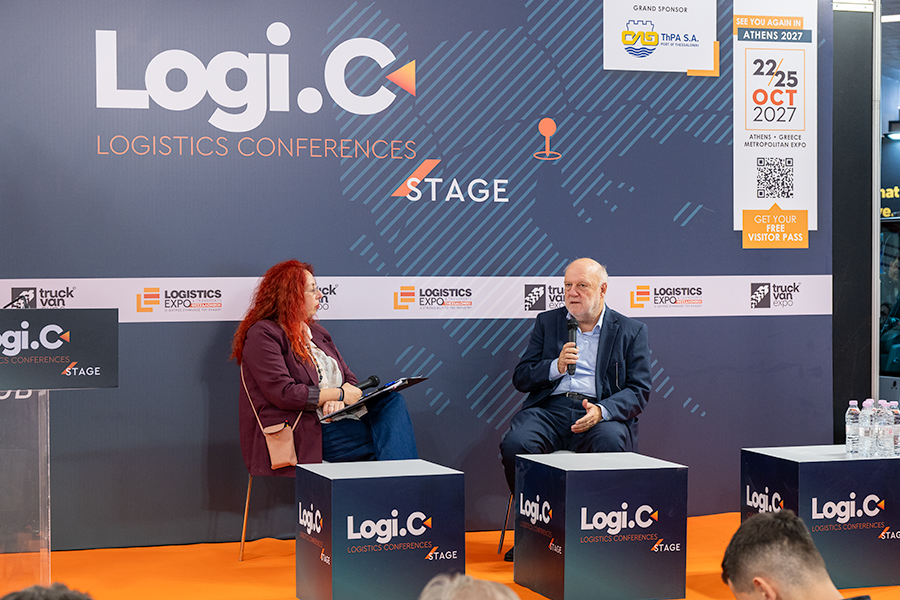
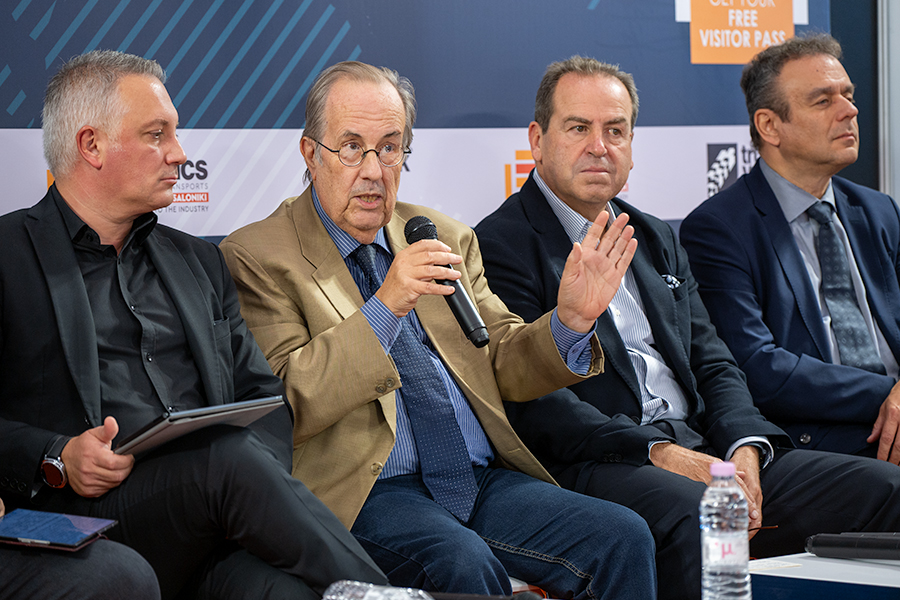
This was followed by a panel discussion moderated by Dr. Stavros Karamberidis, featuring Karaphylidys, President of the Bulgarian-Greek Chamber of Commerce; Professor Simeon Ananiev from the Green Transport Center of Bulgaria; and Karlo Smajshek, representing MIFA from North Macedonia. The discussion revolved around existing agreements, necessary steps for intergovernmental coordination, and concrete proposals.
Business Focus
The panels concluded with a corporate perspective featuring An. Manos (Dotsoft), D. Bleris (Utilize), St. Tzouvelis (Mobile Technology), Chr. Athanasiadis (Robovision), G. Loizidis (iMinder, Cyprus), and Chr. Marouchos (Value Creation Consulting). After reviewing findings from a research study on the supply chain and its needs and challenges in Cyprus, the speakers discussed digitization, automation, and data sharing.
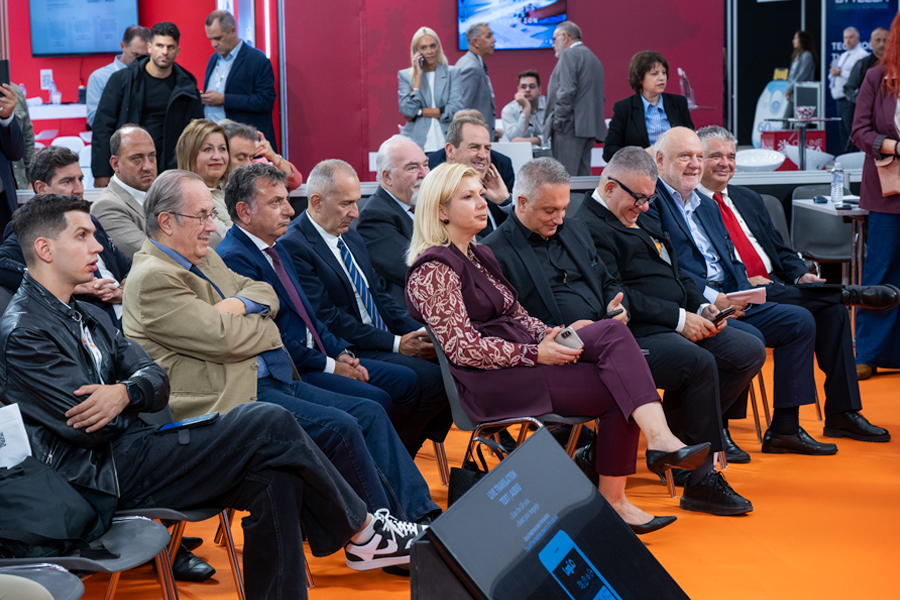
Summary Saturday 17 October
With 30 speakers and over 250 attendees in the audience, the LOGI.C conferences successfully concluded on Saturday, organized by Supply Chain & Logistics magazine with the valuable co-organization of Mentor Chain, ILME, and projectyou.
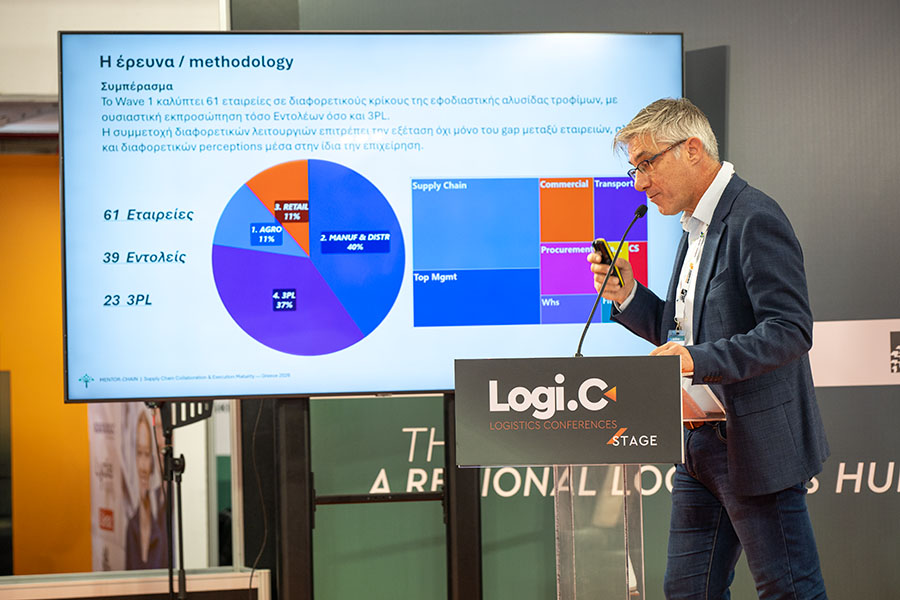
In the Mentor Chain panel, Mr. Anestis Manganaris presented pioneering research on “Supply Chain Maturity” involving 100 executives from over 50 companies. The study—whose full conclusions will be published in an upcoming issue of Supply Chain & Logistics magazine—investigated how prepared the Greek food supply chain is to face growing demands and how effectively its links collaborate.
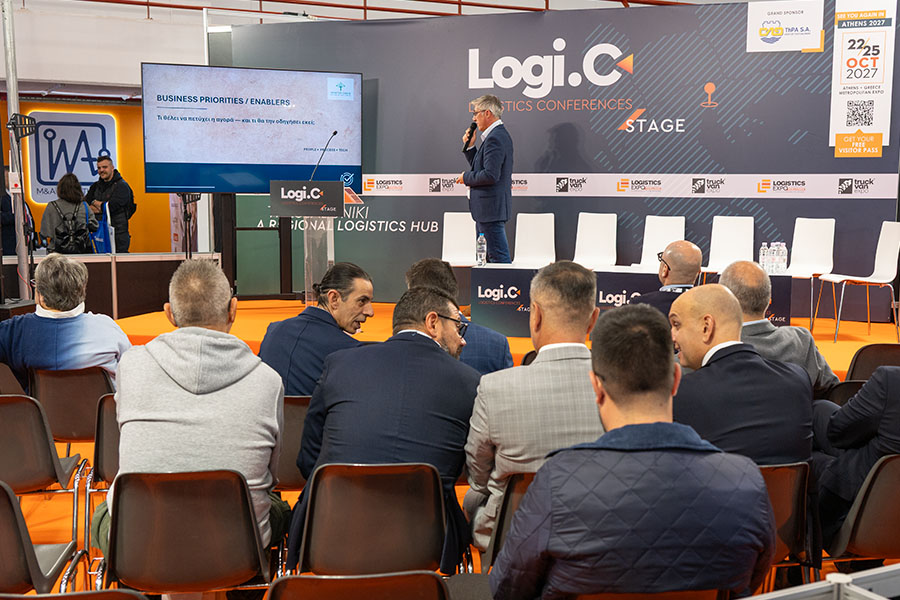
The findings were split into two levels: from the perspective of 3PLs and from the perspective of clients. Both sides agreed that priorities remain cost efficiency, human resources, systems integration, and, above all, genuine collaboration between parties to move beyond the client/supplier dynamic to the “One Supply Chain” level.
The research presentation was followed by an exceptional evaluation and discussion panel featuring K. Papageorgiou (President of the Hellenic Logistics Association and Head of PTL Logistics), Kyriakos Damianidis (Vice President of EEL Northern Greece and Sales Director for CEE at Entersoftone), D. Kavalarakis (Owner of the homonymous company), Ir. Argyriou (Logistics Manager at Parametros Group), Ap. Kottas (Supply Chain Manager at Nektar Kourtidi), and Mar. Antoniadou (EU Export Manager – Logistics at Flora Food Group). Panel discussions revolved around value, what the client pays for, and whether true value for money exists.
Key statements included: “Contracts talk a lot about money, but little about the collaboration process and ultimately about implementation, visibility, and integration” and “Systems and tech solutions exist—we must focus on how we structure the collaboration.” Speakers agreed that interconnection and full information exchange remain a challenge, not due to an unwillingness to share data, but because clients and providers view the “problem” from different angles.
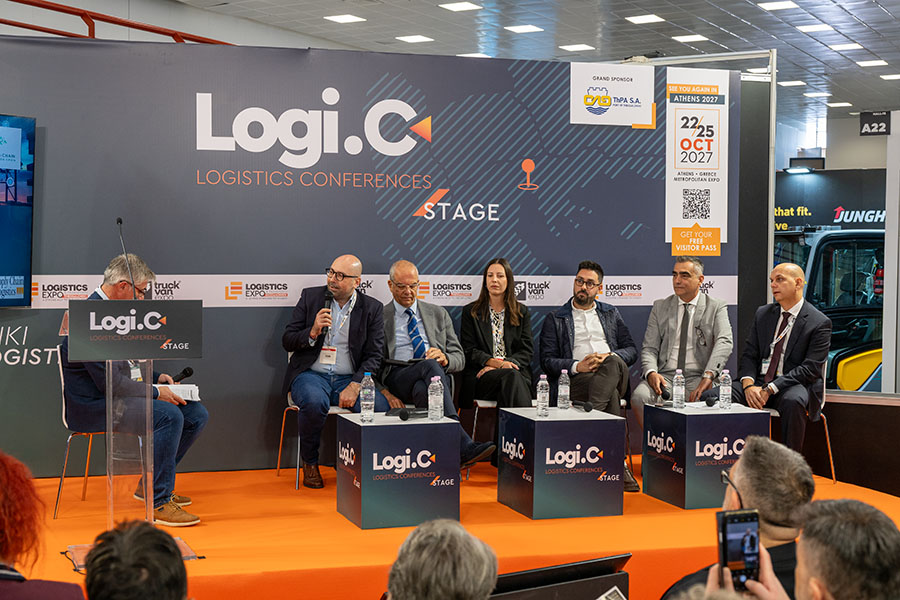
However, it was highlighted that the gap in visibility + systems integration is not a Greek phenomenon—it happens globally, as trade partners worldwide utilize tech tools, and a way must be found for all these tools to communicate. This was followed by a highly engaging and practical fireside chat with the Supply Chain Director of KRI-KRI, Mr. Triantafyllos Yortsos.
Next was the ILME panel, where the results of the 1st Nationwide Survey by the Hellenic Institute of Logistics Management (ILME) on Artificial Intelligence in Greek Enterprises and the Supply Chain were presented, with a special focus on Northern Greece. The survey captures the degree of maturity, acceptance, and implementation of AI in businesses, examining both utilization potential and required changes in organizational structure, processes, and workforce.
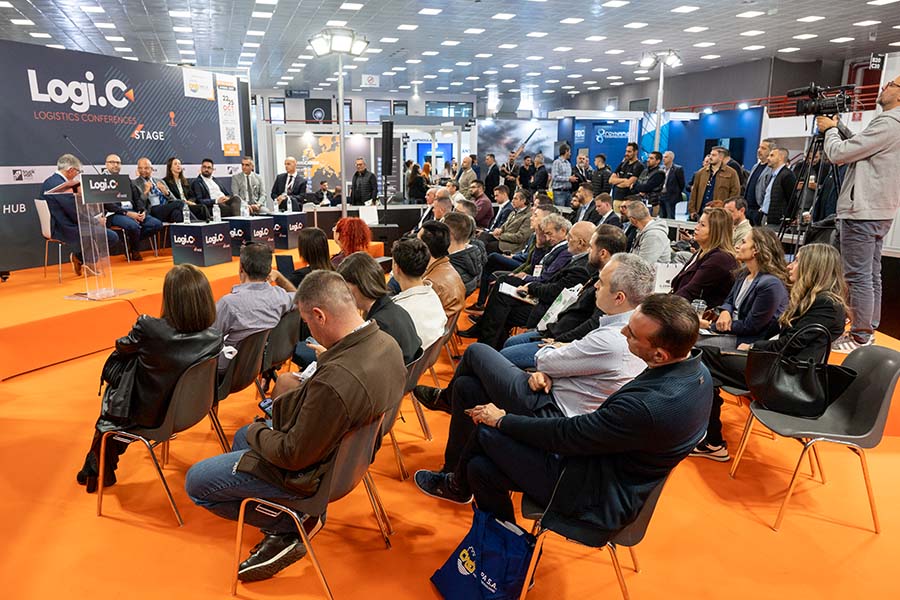
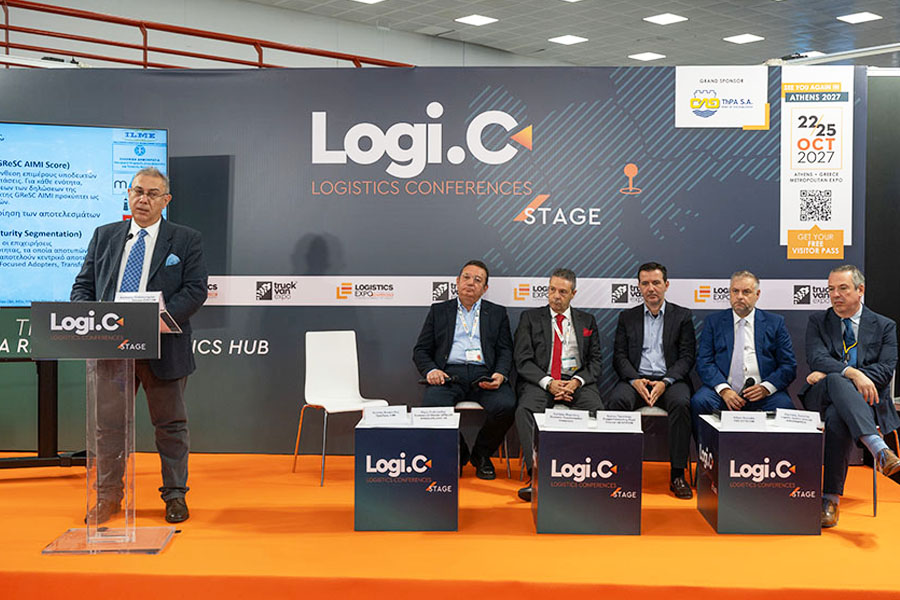
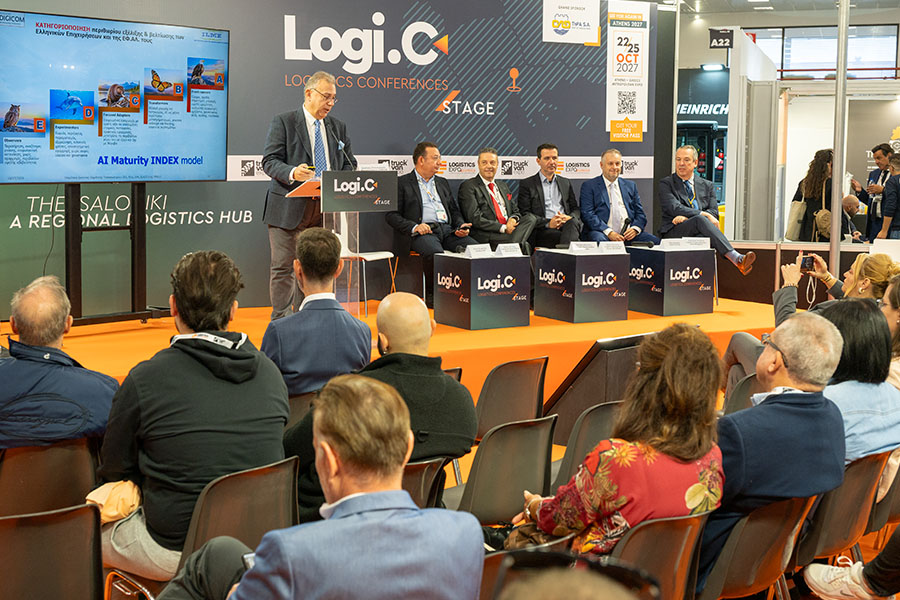
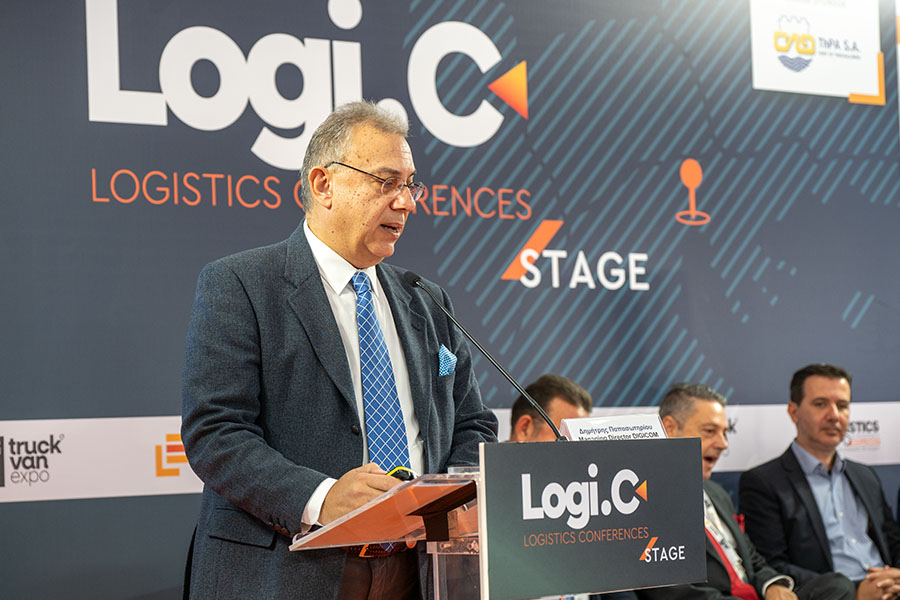
The research design, scientific support, data processing, analysis, and formulation of key indicators and conclusions were led by DIGICOM Systems SA, with Dimitris Papasotiriou, Vice President of ILME and Managing Director of DIGICOM Systems, serving as Scientific Director and presenting the findings.
For the first time in the Greek market, the survey introduces the Greek Enterprise & Supply Chain AI Maturity Index 2026, a benchmark capturing business maturity in leveraging AI not merely as a tech tool, but as a catalyst for operational transformation. Results for Northern Greece show that enterprises now perceive AI as a significant domain of operational value while highlighting critical areas requiring further maturity. Indicators regarding expected AI value, technological readiness, human-centric approaches, change management, and business capability to turn AI into tangible results generated strong interest.
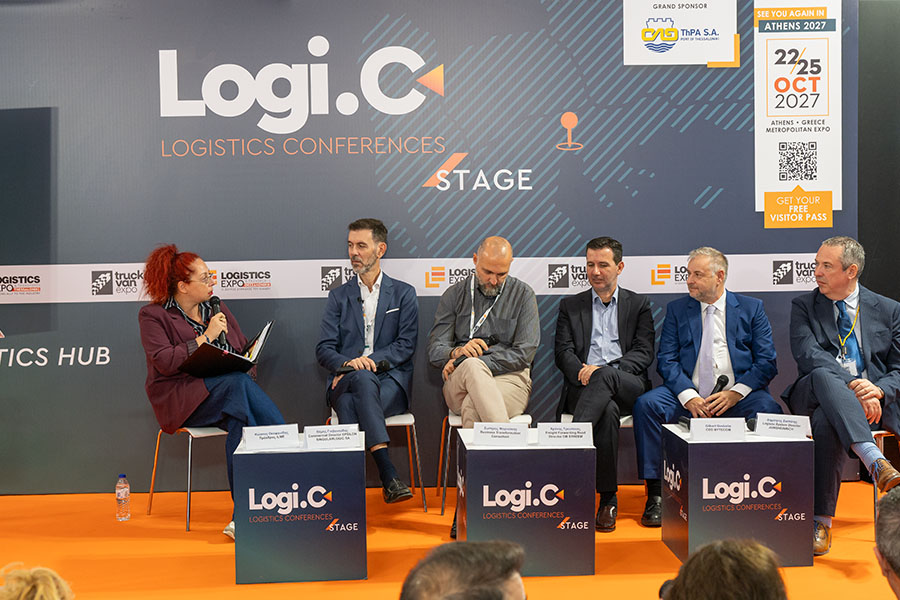
The study evaluates not only whether companies use AI, but whether they possess the maturity to manage it effectively, evaluate performance, and convert it into real operational value. The panel discussing the results featured Themis Giovanoudis (Commercial Director for Northern Greece Integrator at EPSILON SINGULARLOGIC), Chronis Trevlakis (Freight Forwarding Road Director at OB STREEM), Panagiotis Fousas (Sales Manager at Mobile Technology), Gilbert Besbalta (CEO of BYTECOM), and Dimitris Siapatis (Logistics Systems Director at JUNGHEINRICH), moderated by Kostas Theofanidis (President of ILME).
In the same session, Sotiris Marinakis, Board Member of ILME, presented findings from the Institute’s survey on the professional driver shortage, conducted in collaboration with the International Hellenic University, SEOFAE, POEO, and OFAE. According to the survey, 67.3% of companies have faced a driver shortage over the past 6 to 24 months. Furthermore, 59.8% of drivers are over 46 years old and 47.8% have been in the profession for over 20 years, underscoring an aging workforce. Alarmingly, 7 out of 10 drivers express an intention to leave the profession within the next two years, with the strongest trend in the 26–45 age group.
To address the issue, the survey highlights the need for improved compensation and working conditions, proper rest and sanitary facilities, technology utilization for efficient routing and manual workload reduction, and incentives to attract young talent. Mitigating this shortage requires a coordinated strategy across government, institutional bodies, and businesses to attract new professionals and retain the existing workforce.
The second day of the Logi.C conferences concluded with projectyou’s session titled “Organization & Growth of Logistics and Transport Enterprises: Strategies & Best Practices.” Katerina Theofanidou, Founder & Managing Director of projectyou, opened the session by presenting the company’s trajectory and initiatives promoting the Logistics sector.
Kostas Theofanidis, Supply Chain Professional, moderated the event and opened with an overview of the transport company ecosystem. Recommendations to address the driver shortage and drive growth in transport companies were tabled for discussion. Dimitris Gounaridis, Founder of Gounaridis & Partners – Consulting Engineers, clarified how safe transport acts as a competitive advantage, emphasizing that while safety incurs costs, the lack of it costs far more. Sotiris Marinakis, Business Transformation Consultant, outlined practical steps companies can take to alleviate the driver shortage.
Michalis Kontomaris, Senior Supply Chain & Intralogistics Planning Expert (active operations in Greece & Romania), was unable to attend in person due to health reasons; however, the “success story” of Romanian transport enterprises was communicated remotely to the audience.
Nikos Kordaris, Business Development Senior Manager at Protergia, used tangible examples to demonstrate how businesses can transition from energy cost management to sustainable growth.
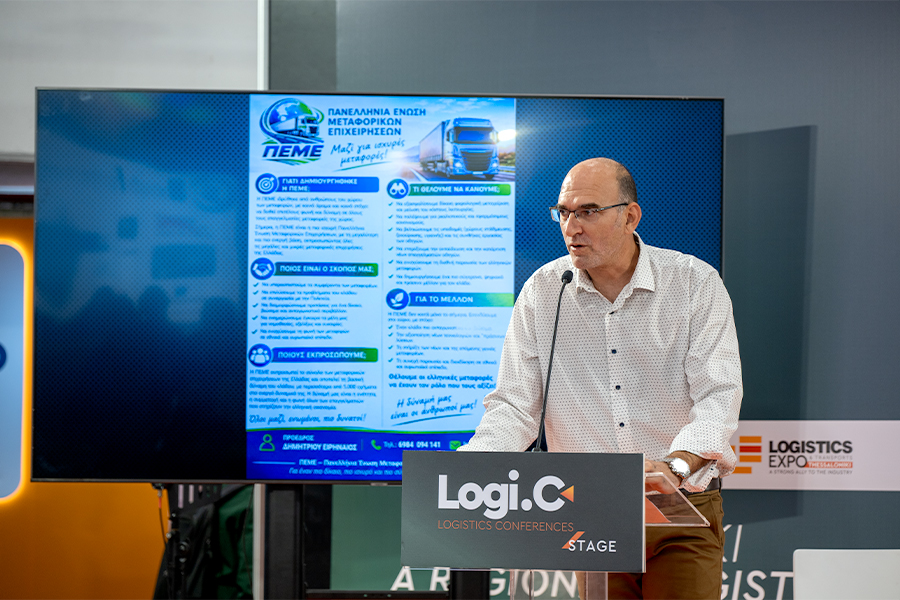
The conference’s second panel aimed to highlight best practices for transport businesses. Renos Dimitriou, Owner of Dimitriou Trans and President of PEME, discussed the vision and actions of the newly established body. Dimitris Zdanis, Owner of Zdanis Transport, addressed generational succession within family-owned transport companies.
Giannis Samoladas, CEO of Truck & Cargo Insurance, focused on risks for growing transport companies, offering a fresh perspective on insurance policies as a vital safety net parameter. Vangelis Kyriazopoulos, Epsilon Singular/FuelPro Sales Manager, briefed the audience on private fueling stations, analyzing installation factors and ROI timelines for such investments.
Closing the event, Giorgos Orfanos, Owner of Parametros Group, shared insights on driving growth and evolution in a modern Logistics enterprise.
Summary – Sunday, October 18
Road Freight Transport in the Spotlight
A fitting conclusion to the Logi.C conferences, held as part of the Logistics Expo 2026, was marked on Sunday by the workshop titled “90 Years of OFAE: Road Freight Transport in the Greece of 2030.”
The institutional introduction to the event was delivered by Dimitris Fokaidis, President of the Board of Directors of OFAE (Hellenic Federation of Road Transport), who outlined the historical role of the Federation in Greece’s road freight and passenger transport. He emphasized the strategic importance of Thessaloniki and Northern Greece for road transport and the country’s export activities.
The first panel, titled “The Greek Transport Enterprise Today: Competitiveness, Market & Operational Challenges,” was moderated by Mary Efthymiatou, Editor-in-Chief of Supply Chain & Logistics magazine and Publishing Director at O.MIND Creatives.
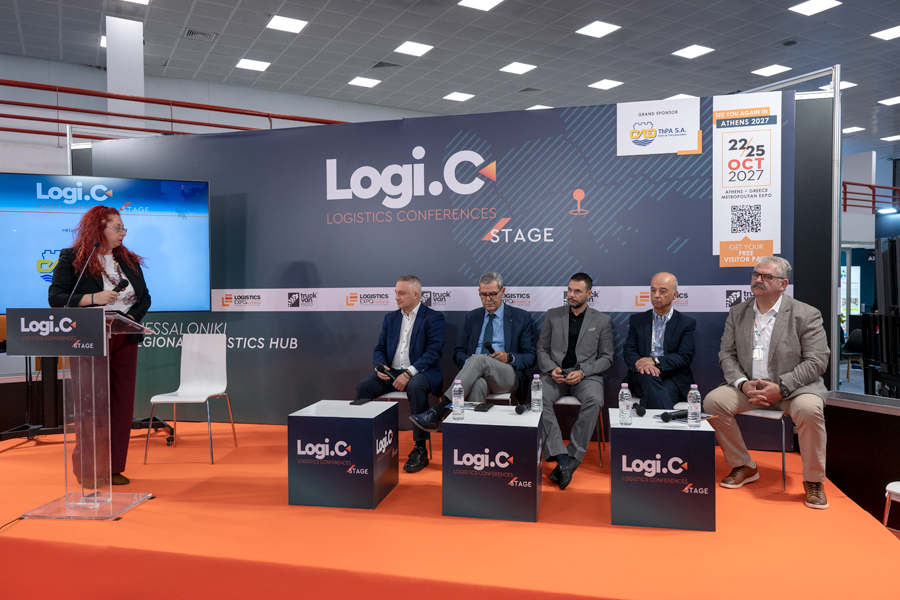
Speaking on critical issues currently facing the vital road transport sector, Kyriakos Merelis, President of the Thessaloniki Chamber of Small and Medium Sized Industries (EETH), highlighted its pivotal role in the economy and society as a whole. He pointed out the commercial sector’s need for smooth collaboration with road transport and outlined the initiatives undertaken by EETH to achieve this.
Giorgos Zagliverinos, Secretary General of SEVE (Greek Exporters Association), addressed the audience on the importance of road transport while emphasizing Thessaloniki’s position as the primary export hub of Greece. “Exporters,” he stressed, “seek the best possible cooperation with road carriers, recognizing the difficulties transport operators frequently encounter at ports, in combined transport management, and during transshipment.”
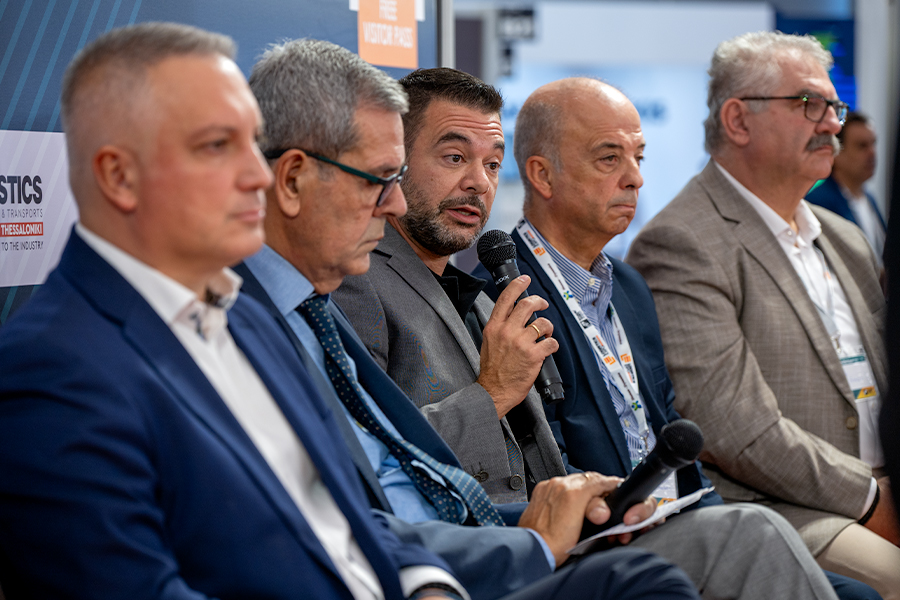
A realistic picture of the market was presented by Matthaios Charitidis, Founder and CEO of TransCombi Express Salonica, who captured the long-standing challenges facing companies in the sector, noting that the state itself underestimates the true value of transport to the economy and society.
He was followed by Nikos Hartsas, CEO of Hartsas Transports & Logistics Services SA, who highlighted how port delays disrupt transport operations and jeopardize business viability. He also discussed the ongoing issues within the sector that hamper operational capacity and competitiveness.
OFAE President D. Fokaidis discussed the Federation’s institutional initiatives aimed at addressing these open issues, including: The driver shortage and the need for training to attract a new workforce to the industry. – Unresolved challenges surrounding digital shipping documentation. – Fleet renewal supported by potential incentives.
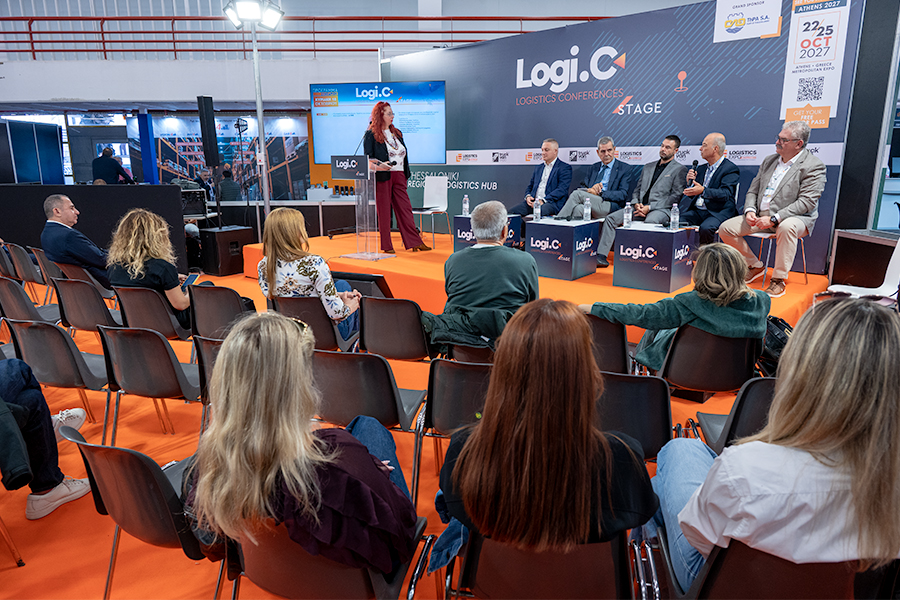
The conclusion of the first panel discussion was delivered by Apostolos Kenanidis, Secretary General of OFAE, who presented the Federation’s strategic priorities leading up to 2030.
Road Transport 2030: Drivers, Technology, Green Transition & Institutional Framework
The second panel, moderated by Panagiotis Emmanouil, Editor-in-Chief of Truck & Van magazine, focused on the future: digitization, digital consignment notes, customs clearances, telematics, and the green transition.
Giorgos Thomaidis, CEO of THOMAIDIS GROUP – THOMAIDIS TRANSPORT & LOGISTICS, offered insights into what it means to be a professional driver in Europe versus Greece. He highlighted differences in working conditions between Germany and Greece, noting greater opportunities and a distinct culture abroad. However, he stressed that official authorities generally fail to take the road transport profession seriously: “No guarantees or investment incentives are provided for new trucks, competitiveness, or supporting professionals. They issue guidelines, but offer no real help,” he concluded.
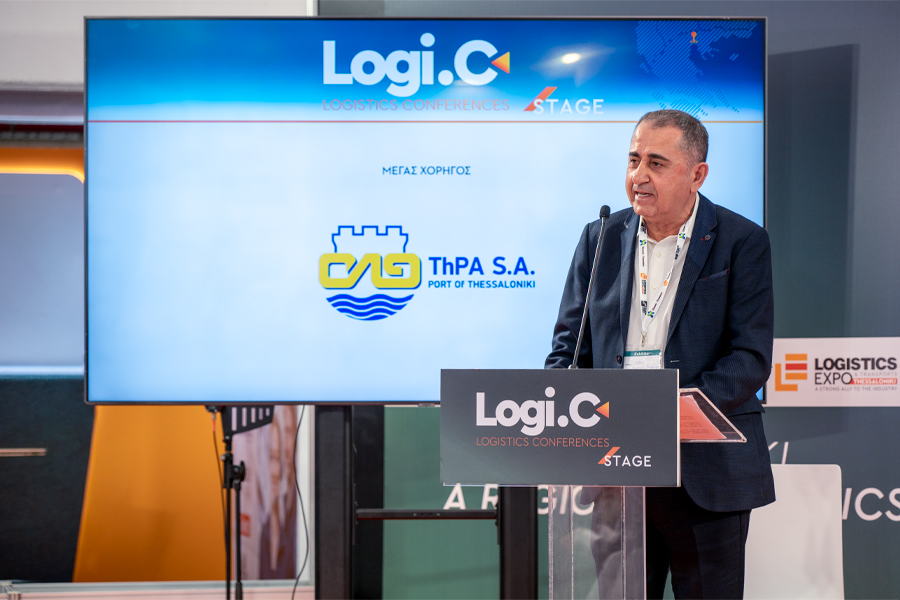
Konstantinos Chaniotis, CEO of TELENAVIS, explained that telematics is a tool, stating, “the key is how you utilize it. Every business has the potential to thrive if it leverages all aspects of telematics.” He elaborated on the scale and potential of the Greek market, adding: “Phase B introduced by AADE (Independent Authority for Public Revenue) represents an opportunity for a significant and immediate upgrade for drivers and transport operators. Digitization is no longer a ‘nice to have’—it is mandatory for transport companies, and telematics is here to assist.”
Nikolaos Rodopoulos, Chairman & Managing Director of ONLINE DATA, emphasized that digitization alone will not transform transport. He noted the need for workforce training, linking digital solutions to the driver shortage to prevent the problem from worsening, and cultivating a new professional culture. “Mandatory state digitization, such as the digital consignment note, has proven that as a market and a society, we can adapt and improve our daily operations,” he noted, adding that digitization frees up the driver, improving both work functionality and quality of life.
Representing AADE, Ioannis Markovits, Head of the Customs Region Directorate of Thessaloniki, explained: “We have tripled Authorized Economic Operator (AEO) permits and are actively supporting businesses to accelerate logistics operations.”
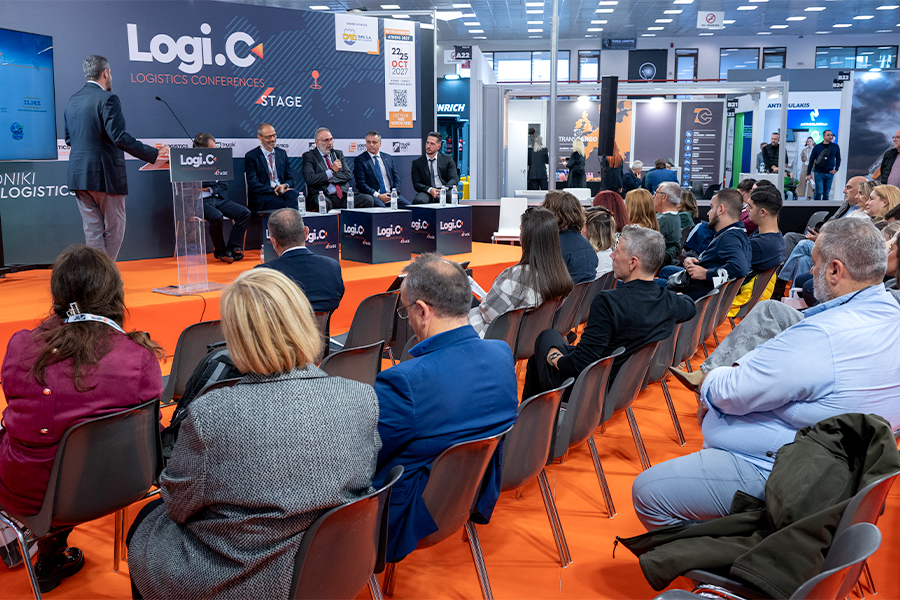
He announced the new “TALOS” electronic monitoring system at ports and exit points, designed to minimize data logging times during imports and exports. He added: “We are moving rapidly on digitization to keep pace with European developments. The first immediate change will be e-commerce operations without standard customs declarations, relying instead on a single data window. Starting in 2027, centralized customs control will also be deployed in Thessaloniki and Northern Greece.”
Ioannis Skoufos, Director – Mobility (SEE) at MOLGAS, highlighted that drivers and companies are already transitioning to greener technologies, which offer an upgraded driving experience, enhanced road safety, and new investment models. Alternative fuels, he noted, allow road transport to align with the future and meet EU green transition requirements. Regarding charging and refueling infrastructure, he emphasized that the LNG network is expanding, granting drivers greater access, bringing the future significantly closer. The event was brought to a close by Iro Doumani, Director General of OFAE, who summarized the key takeaways, outlined the roadmap for road transport over the coming decade, and invited attendees to the next LOGI.C events where OFAE will participate.
PEME: New Landscape and Challenges in Transport
The closing event of this year’s Logi.C conferences at Logistics Expo 2026 was organized by the newly established Panhellenic Association of Transport Enterprises (PEME) under the title:
Transport Facing a New Reality – Challenges and Adaptation in a Changing Market.
The session served as an introductory call to inform the sector about evolving conditions in the freight transport market through this new collective body. “We want PEME not merely to follow developments, but to actively help shape them,” declared Eirineos Dimitriou, President of PEME, during his opening address. The event was attended by fellow Board members, including Ioannis Lioudakis (Vice President), Dimitrios Venizelos (Secretary), Nikolaos Katsanas (Treasurer), Dimitrios Kavalarakis (Deputy Secretary), Panagiotis Kolaros (Board Member), and Dimitrios Zdanis (Board Member).
Speaking from the podium, the President of PEME outlined a series of upcoming legislative reforms assured by state authorities. Subsequently, the Board members presented the Association’s vision, objectives, and planned initiatives. According to its members, PEME was created to organize Greek transport operators, offer fresh perspectives, and create new avenues for growth in Greek transport to benefit the national economy.